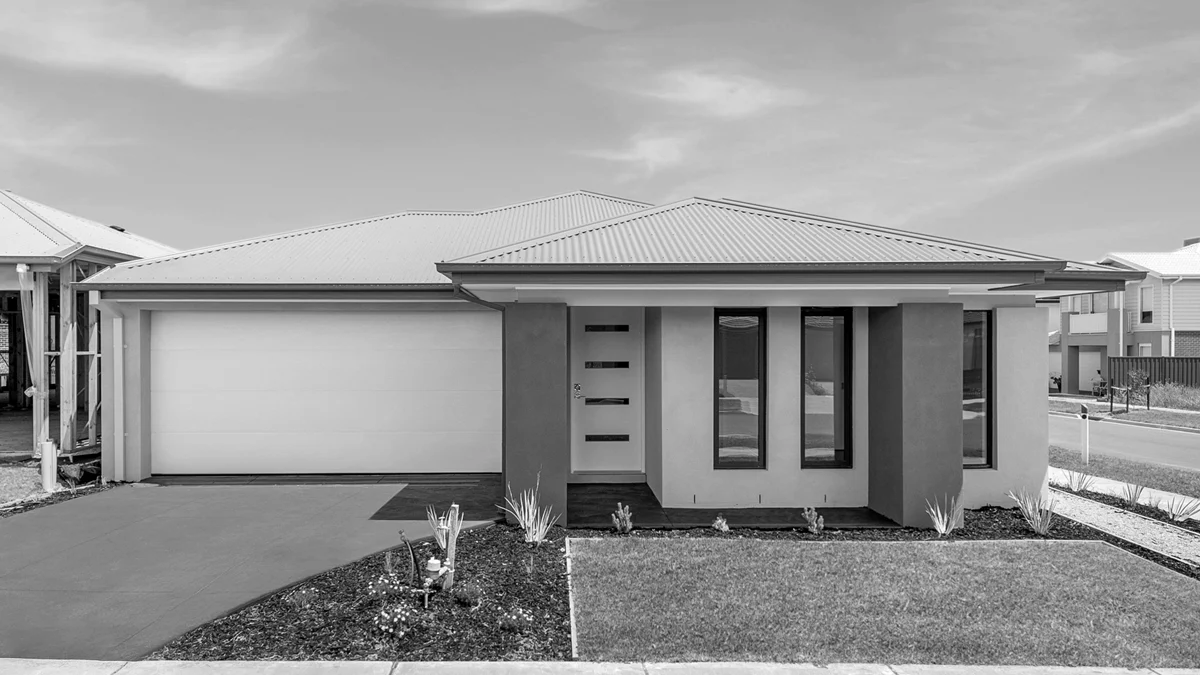
Most of the conversation since the 2026 Budget has been about what investors lose on established property. Far less has been said about two advantages a new build can give you before you even collect the first week’s rent:
- You may be able to borrow more, which means you can Invest a better suited investment property rather than settling for what fits the budget.
- On house and land, you generally pay stamp duty on the land only, and that saving can go a long way towards funding the interest while your home is being built.
Both points came through strongly in a recent Hotspotting webinar with Terry Ryder, in which a new-build specialist walked through his own latest Investment. Here is what they mean in practice, using a typical house and land example rather than a premium project.
A Quick Recap: What Changed in 2026
From 1 July 2027, negative gearing is restricted to eligible new builds. Established residential property bought after 7:30pm AEST on 12 May 2026 can no longer offset rental losses against your wages; those losses are carried forward instead. New builds keep negative gearing benefits, positively impacting your cash flow to hold the investment and potentially invest again that much sooner. We cover the detail in Negative Gearing Changes 2027: The Cash Flow Problem.
That change doesn’t only affect your tax return. Another significant advantage is that it ALSO flows straight through to how much a bank will lend you.This is significant in allowing you to secure an investment property that is more Investment Grade than a lower budget may.
Advantage 1: You May Be Able to Borrow More on a New Build
Many lenders factor the tax benefit of negative gearing into their serviceability calculations. When that benefit isn’t available on an established purchase, the same household can qualify for noticeably less. Some brokers now automatically give investors two figures: one for new, one for established.
A broker case study presented showed the size of the gap:
| Household (two children) | Borrowing capacity: established | Borrowing capacity: new build | Difference |
|---|---|---|---|
| $230,000 combined income | $820,000 | $1,000,000 | +$180,000 |
| $190,000 combined income | $520,000 | $600,000 | +$80,000 |
Your own result will depend on your income, expenses, existing debts and the lender. But if you haven’t asked your broker for both figures, it’s worth a five-minute conversation or ask us for a referral to a professional finance broker who understands and implements this strategy.
Borrow More, Buy Better : Don’t Squeeze the ‘Wrong Property’ Into Your Budget
Extra borrowing capacity isn’t about spending more for the sake of it. It’s about not having to compromise on the investment. One of our core principles at properT network is simple: please don’t squeeze the wrong property into your budget. Read more in Strategy Before Property.
Take the $190,000 household above, with a 20% deposit, investing in Victoria as an example :
| Established purchase | New house and land | |
|---|---|---|
| Borrowing capacity | $520,000 | $600,000 |
| Property they can secure (80% lending) | ~$650,000 | ~$750,000 ($300k land + $450k build) |
| Stamp duty (Victoria, investor) | $34,070 | $13,070 (on the land) |
| Deposit + stamp duty | ~$164,070 | ~$163,070 |
| Result | A property that fits the budget | Improved Choice $100,000 more property for about the same cash |
That extra $100,000 can be the difference between a property that simply fits the budget and one that genuinely ticks the investment boxes: a stronger location, sound underlying infrastructure, jobs, demand for property and stronger rental demand.
Advantage 2: Stamp Duty on the Land, Not the Whole Home
When you buy land and sign a separate building contract, transfer duty is generally calculated on the land only, not the finished home. On an established property, you pay duty on the full purchase price. See House and Land Packages for how the structure works.
On the same $750,000 total budget :
| $750,000 purchase | Established home (duty on $750,000) | House and land (duty on $300,000 land) | Saving |
|---|---|---|---|
| Victoria | $40,070 | $13,070 | $27,000 |
| Queensland | $26,775 | $8,925 | $17,850 |
The Saving Can Fund the Build
A fair question we hear often: “If I buy established, I can rent it out straight away. With a new build I’m paying interest while it’s built.” That’s true. But the stamp duty you didn’t pay can cover much, or all, of that cost and perhaps even leave you with some change.
Here’s why the interest is lower than many people expect. On house and land you typically pay a 10% deposit on the land and a 5% deposit on the build. With an 80% construction loan, the rest of your 20% goes into the land at settlement, so the loan only starts once your own $150,000 has been used:
| Step ($750,000 house and land, 80% lending) | Your money | Loan |
|---|---|---|
| Sign the land contract: 10% deposit | $30,000 | — |
| Sign the build contract: 5% deposit | $22,500 | — |
| Land settles: the rest of your 20% goes into the land | $97,500 | — |
| Land settles: the loan pays the land balance | — | $172,500 (interest starts) |
| Base, frame, lock-up, fixing and completion | — | $427,500, drawn in stages |
| Total | $150,000 | $600,000 |
| Result | ~$21,800 of build interest, against the $27,000 Victorian stamp duty saving | |
From there the loan grows in stages as the builder reaches each milestone, and it’s interest-only during construction. You only pay interest on what has actually been drawn:
| House and land: $300k land + $450k build | Interest (6.5%, interest-only) |
|---|---|
| Your $150,000 deposit (land deposit, build deposit and most of the land) | $0 interest |
| Land loan from settlement: $172,500 (about 12 months) | ~$11,200 |
| Base stage: $45,000 (10%), drawn around month 3 | ~$2,200 |
| Frame stage: $67,500 (15%), around month 5 | ~$2,600 |
| Lock-up stage: $157,500 (35%), around month 7 | ~$4,300 |
| Fixing stage: $112,500 (25%), around month 9½ | ~$1,500 |
| Completion: $45,000 (10%), at handover | $0 |
| Total interest during the build | ~$21,800 |
| Stamp duty saving (Victoria) | $27,000 |
| Left over | ~$5,200 |
In Victoria in this example, the duty saving funds the interest during construction with change left over. In other states duty will differ. In Queensland, for example, the $17,850 saving covers roughly four-fifths of it. The lower the land share of your total cost, the bigger the saving.
It also matters how that interest is treated at tax time. Under the ATO’s ruling on vacant land, the two parts of your borrowing are treated differently:
| Interest | During the build | Once the home is legally occupiable and available for rent | In our example |
|---|---|---|---|
| Land loan ($172,500) | Generally not deductible, and can’t be claimed later | Generally deductible from that point on | ~$11,200 |
| Construction loan (progress payments, $427,500) | Potentially deductible in the year it’s incurred, if the ordinary deduction rules are met | Potentially deductible | ~$10,600 |
In other words, the interest on the land loan is the part that typically can’t be claimed, and it isn’t carried forward to claim once the home is rented. Having it covered by money you didn’t have to spend on stamp duty takes much of the sting out of the build period.
Add It Up: Why New Builds Are Working Harder for Investors
- Borrowing power: potentially more buying power, so you can buy better rather than squeeze.
- Stamp duty: generally on the land only, which can fund the build-period interest.
- Negative gearing: retained on eligible new builds after 1 July 2027.
- Depreciation: greater deductions in the early years, improving after-tax cash flow. See Existing Homes vs New Builds.
- Lower maintenance and stronger tenant appeal, and a home that stays ten years younger than the one next door when you sell.
But the Fundamentals Still Decide the Investment
None of this makes every new build a good investment. Tax and lending should support the strategy, not be the strategy. Before you commit, we still look at:
- Location: population growth, infrastructure, employment, rental vacancy and supply pipeline.
- The estate: avoid estates dominated by investors; a healthy owner-occupier mix supports values and resale.
- The builder: financial strength, build quality and track record.
- The product: the right size and design for the local rental and resale market.
- The numbers: your cash flow, borrowing capacity and the next property in your plan.
That’s how we help clients identify investment-grade property, and how leverage becomes a tool rather than a risk.
Frequently Asked Questions
Can I really borrow more on a new build than an established property?
Often, yes. Many lenders include the tax benefit of negative gearing in their serviceability assessment. Because eligible new builds keep negative gearing after 1 July 2027, the same household may qualify for more on a new build. Policies vary by lender, so ask your broker for both figures, or request a referral to a finance broker.
Do I pay stamp duty on the build?
With separate land and building contracts, transfer duty is generally calculated on the land only. A single contract for a completed house and land package, or an off-the-plan purchase, can be treated differently. Rules vary by state.
Will the stamp duty saving always cover the build interest?
Not always. It depends on your state, the land-to-build split, the interest rate, how much you borrow and how long the build takes. In many Victorian examples it covers all of it; in lower-duty states it typically covers a large share.
Can I claim the interest during construction?
Interest on money borrowed to buy the land is generally not deductible while the land is vacant, and can’t be claimed later. It generally becomes deductible once the home is legally occupiable (usually shown by the occupancy approval) and genuinely available for rent. Interest on a separate construction loan may be deductible during the build, in the year it’s incurred, provided the ordinary deduction rules are met (ATO TR 2023/3). If one loan covers both, the interest may need to be apportioned. Have your accountant confirm your situation.
Want to know what you could borrow for a new build versus an established property, and what that could buy? Book a complimentary strategy session with properT network.
General information only. Lending, tax and stamp duty outcomes vary with your circumstances, state and lender. Seek tax, legal and finance advice before making an investment decision.
Related reading
Negative Gearing Changes 2027: The Cash Flow Problem
House and Land Packages Australia
Why Negative Gearing Still Favours New Build Investment Properties