
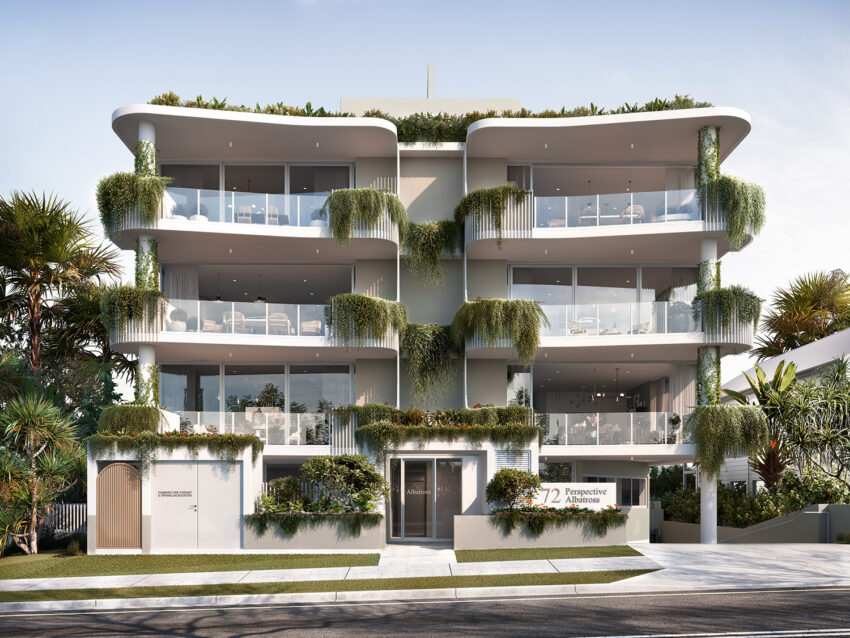
Why New Apartments Could Be the Smartest Property Investment in 2026
For generations, the great Australian dream revolved around a freestanding home on a quarter-acre block — a large backyard, plenty of space, and land ownership at the centre of wealth creation.
But Australia’s property landscape is changing rapidly.
Rising property prices, affordability pressures, population growth, migration, infrastructure expansion, and evolving lifestyle preferences are reshaping how Australians choose to live — and where investors are choosing to place their money.
Increasingly, the future of property investment is shifting from the backyard to the balcony.
And for many investors, apartments and new-build properties are becoming one of the most compelling opportunities in the market today.
Why Apartments Are Gaining Momentum
For years, apartments were often viewed as the “poor cousin” to detached housing. The conventional thinking was simple:
- Houses delivered stronger capital growth
- Land was the key driver of wealth
- Apartments were primarily for yield or affordability
However, over the past five years, many apartment markets across Australia have challenged that narrative.
In several key locations, apartments have delivered:
- Strong capital growth
- Competitive rental yields
- Lower entry prices
- High tenant demand
- Improved cash flow outcomes
Importantly, apartments are no longer simply an affordability compromise — they are increasingly a lifestyle choice.
Affordability Is Reshaping Buyer Behaviour
The reality is that detached housing is becoming increasingly difficult to access for many Australians.
Traditional 600–800sqm blocks have steadily shrunk, with many new house-and-land estates now offering lots closer to 200–350sqm. At the same time, construction costs, interest rates, and living expenses continue to rise.
As affordability pressures intensify, buyers and renters are prioritising:
- Convenience
- Location
- Transport connectivity
- Lifestyle amenities
- Reduced commuting times
- Lower living costs
This shift is creating significant demand for well-located apartments close to:
- Employment hubs
- Public transport
- Universities
- Retail precincts
- Healthcare infrastructure
- Lifestyle amenities
Unlike many greenfield housing estates, apartment developments are generally positioned in highly connected locations where long-term demand fundamentals are stronger.
The Rise of the “Lifestyle Apartment”
Today’s apartment developments are very different from the small, high-density “shoe box” apartments of the past.
Developers are increasingly targeting:
- Downsisers
- Young professionals
- Lifestyle-focused renters
- Retirees
- Students
- Couples seeking convenience over land size
As a result, apartment design quality has improved significantly.
Modern developments now commonly include:
- Larger floorplans
- Premium finishes
- Rooftop entertaining areas
- Pools and spas
- Saunas and wellness facilities
- Co-working spaces
- Resident gyms
- Concierge services
For many tenants, paying slightly higher rent for access to these facilities is often cheaper than maintaining separate gym memberships, transport costs, and lifestyle expenses elsewhere.
This creates strong rental appeal — particularly in tightly held inner-city and middle-ring locations.
Why Investors Are Looking at Apartments Again
One of the biggest misconceptions in Australian property has been that apartments cannot achieve meaningful capital growth.
Yet many apartment markets are now recording strong price appreciation due to:
- Limited supply
- Rising construction costs
- Population growth
- Tight rental markets
- Infrastructure investment
- Improved owner-occupier demand
In markets such as Brisbane, Melbourne and parts of Sydney, quality apartments located near transport and infrastructure have seen substantial growth in recent years.
For example, suburbs undergoing:
- Train line upgrades
- Retail expansion
- Employment growth
- Urban renewal
- Major infrastructure spending
have experienced increasing demand from both owner occupiers and investors alike.
And with Australia facing an ongoing housing shortage, well-located apartments are becoming an increasingly important part of the housing solution.
Brisbane: One of Australia’s Strongest Apartment Markets?
Brisbane continues to emerge as one of the country’s most closely watched apartment markets.
Several major drivers are supporting long-term growth:
- Severe housing undersupply
- Interstate migration
- Olympic infrastructure spending leading into 2032
- Population growth
- Limited new housing delivery
- Rising rents
- Expanding employment hubs
Importantly, quality apartment stock in Brisbane remains relatively limited compared to demand.
This imbalance is helping support both rental growth and price growth in many locations.
As affordability pressures continue pushing buyers away from Sydney and Melbourne house prices, Brisbane apartments may continue attracting increasing investor attention.
New Builds, Depreciation & Tax Advantages
Another major factor driving investor interest in new property is depreciation and tax efficiency.
With increasing discussion around government policy potentially favouring new builds — including proposals surrounding negative gearing limitations to newly constructed dwellings — many investors are reassessing their strategy.
New properties can offer several advantages, including:
- Higher depreciation benefits
- Lower maintenance costs
- Improved cash flow
- Strong tenant appeal
- Modern design and energy efficiency
- Reduced upfront renovation costs
For apartment investors specifically, depreciation schedules can be particularly attractive because investors may be able to claim depreciation across:
- Building structure
- Fixtures and fittings
- Shared facilities
- Gym equipment
- Common areas
- Plant and equipment assets
In many cases, this can significantly improve after-tax cash flow outcomes.
At a time when cash flow is increasingly important for investors managing higher interest rates and living costs, these tax efficiencies are becoming more valuable than ever.
Investor Sentiment Is Changing — But Fundamentals Remain Strong
There is no doubt that uncertainty around interest rates, government policy, taxation changes, and global economic conditions has made some investors more cautious.
However, the core fundamentals supporting Australian property remain largely intact:
- Australia continues to face a housing shortage
- Rental demand remains elevated
- Population growth continues
- Construction costs remain high
- Vacancy rates remain low in many markets
While investor sentiment may fluctuate in the short term, long-term property investment remains fundamentally driven by supply and demand.
And increasingly, apartments are becoming a critical part of Australia’s future housing supply.
The Importance of Strategy and Due Diligence
Not all apartments are created equal.
Successful apartment investing requires careful attention to:
- Location selection
- Supply levels
- Developer quality
- Floorplan functionality
- Owner occupier appeal
- Infrastructure investment
- Body corporate structure
- Rental demand
- Long-term demographic trends
Investors should also build a strong advisory team that may include:
- Mortgage brokers
- Accountants
- Property advisors
- Property managers
- Buyers agents
Property investment is a long-term strategy — not a short-term trade.
The right asset, purchased in the right location, with the right fundamentals, can potentially deliver strong long-term outcomes regardless of short-term market noise.
The Great Australian Dream Is Evolving
The Australian dream is no longer defined solely by a large backyard.
For many Australians, lifestyle, convenience, affordability, connectivity, and financial sustainability are becoming more important than land size alone.
As cities evolve and affordability pressures increase, apartments are increasingly moving from an alternative option to a mainstream investment strategy.
For investors willing to adapt to changing market conditions, quality apartments and new-build properties may represent one of the most important opportunities of the next decade.
The dream may no longer be the backyard.
It may very well be the balcony.
Related Property Investment Resources
Budget 2026-27 Negative Gearing explained
Why I would not invest in a Co-Living Property … and or why I would
Rental Guarantees and Co-Living Property Investment
The Rise of High-Yield Investment Property Strategies
Autumn 2026 Property Market Insights and Growth Hotspots
Melbourne Apartment Market Warning: Negative Growth and Oversupply investor risks

